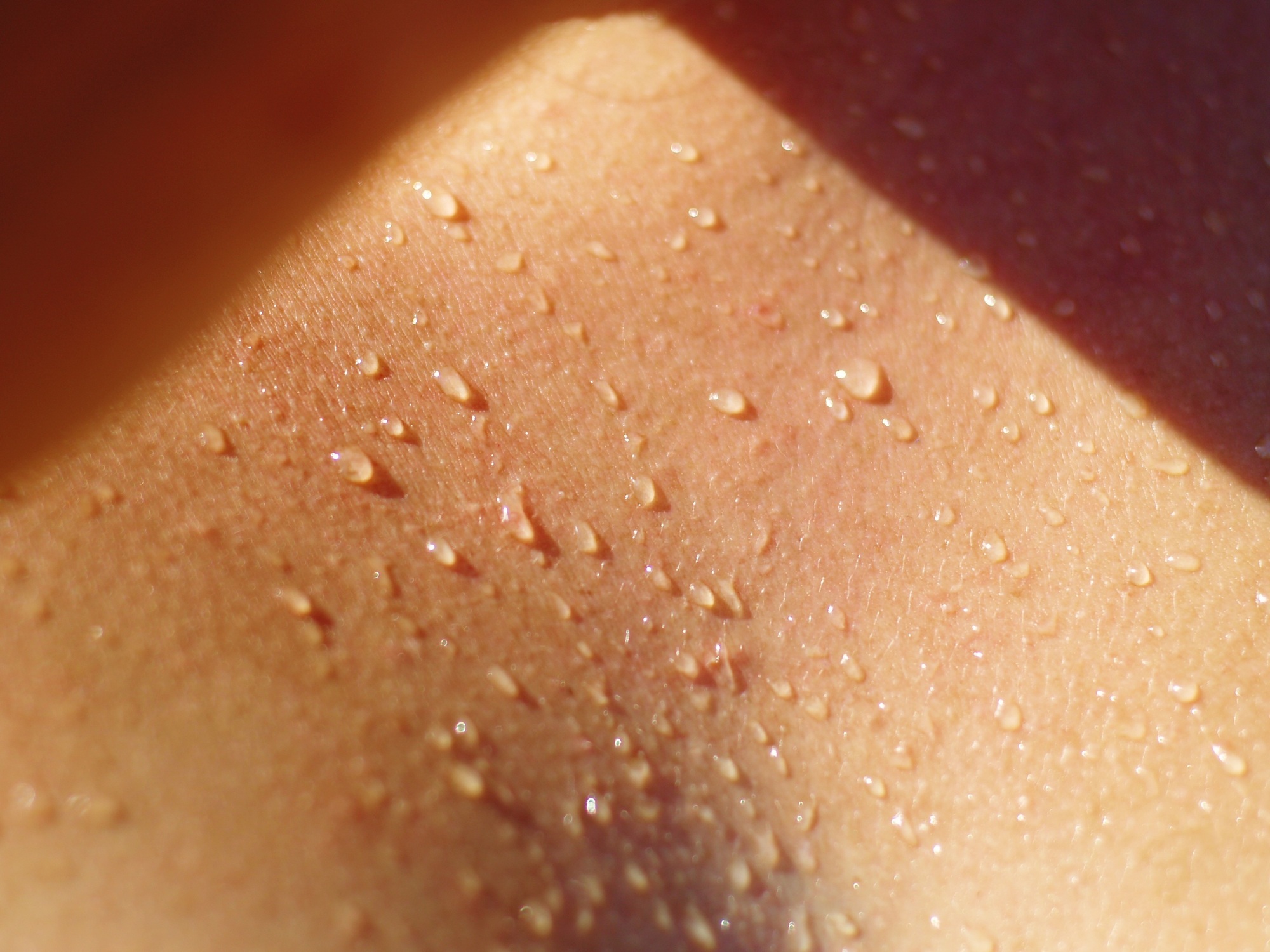


We all sweat. It is a natural way our body cools itself. But for some people, sweating goes far beyond what is normal. This condition, known as hyperhidrosis, can interfere with daily life, impact confidence, and affect overall well-being.
Here’s what you need to know.
What Is Hyperhidrosis?
Hyperhidrosis is a medical condition that causes excessive sweating beyond what the body needs to regulate temperature. It most commonly affects the underarms, palms, soles of the feet, and face, but it can occur in other areas as well.
There are two main types:
Primary focal hyperhidrosis: Excessive sweating with no known underlying cause, usually affecting specific areas.
Secondary generalized hyperhidrosis: Excessive sweating due to another medical condition, medication, or underlying issue.
What Causes It?
Primary hyperhidrosis is often linked to overactive sweat glands and can run in families. Secondary hyperhidrosis may be triggered by conditions such as thyroid problems, diabetes, infections, menopause, or certain medications.
Because excessive sweating can sometimes be connected to an underlying health concern, it is important to speak with a qualified provider if your symptoms are new, severe, or affecting your quality of life.
Symptoms
Common signs include:
Sweating that occurs even when you are not hot or active
Sweat that interferes with daily activities
Frequent need to change clothes or wipe hands
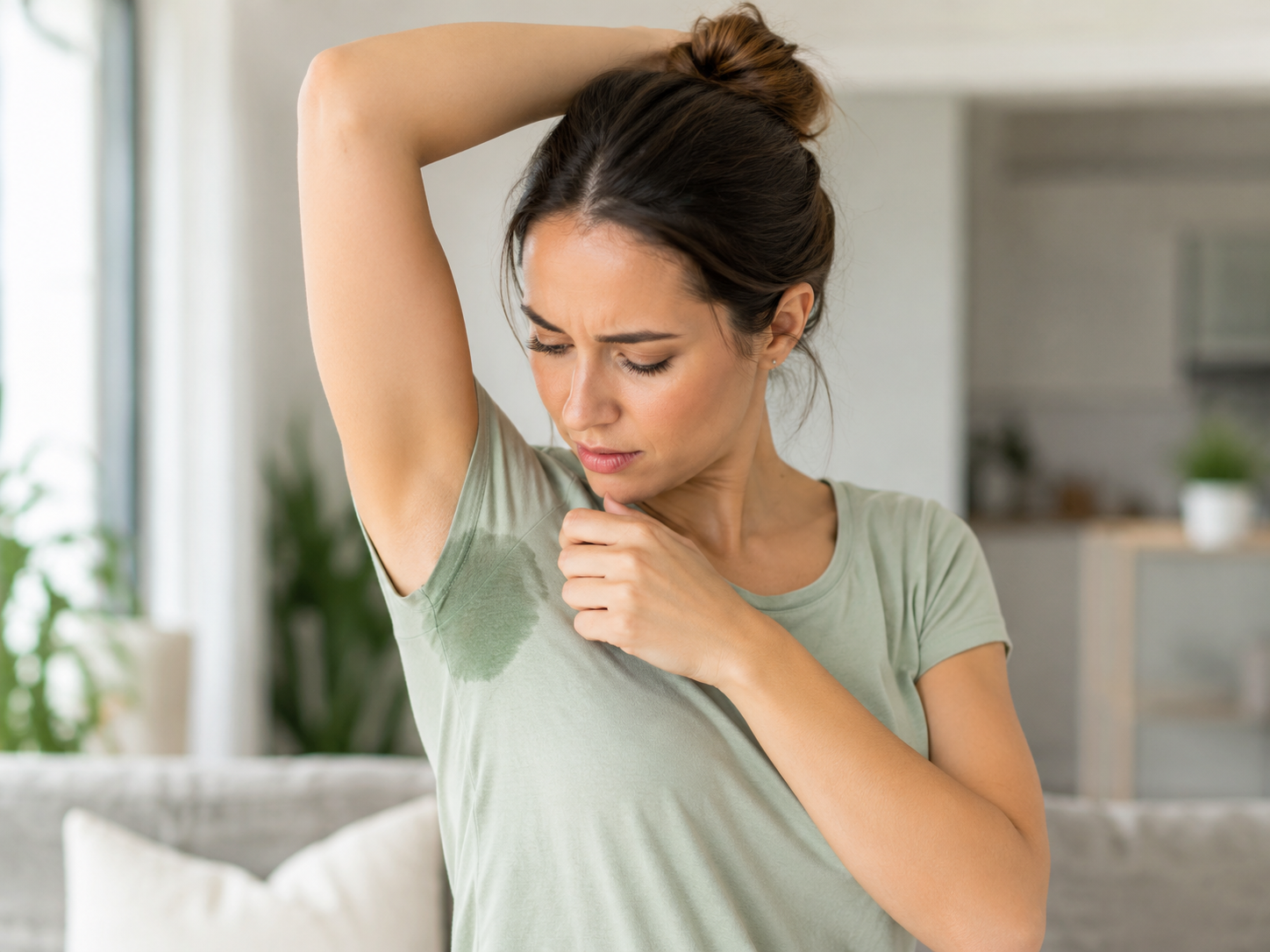
Visible sweat marks on clothing
Feeling self-conscious, anxious, or embarrassed about sweating
How Hyperhidrosis Can Affect Daily Life
Hyperhidrosis can be more than a physical inconvenience. It can affect how you dress, how you interact with others, and how confident you feel in social or professional settings.
Many people with excessive sweating avoid certain clothing colors or fabrics, feel uncomfortable shaking hands, or worry about sweat marks during work, events, or everyday activities.
Treatment Options for Hyperhidrosis
There are several treatment options that may help manage excessive sweating, depending on the area being treated and the severity of symptoms.
These may include prescription antiperspirants, lifestyle adjustments, oral medications, medical procedures, or injectable treatments.
For underarm sweating, Botox is a commonly used treatment option. Botox works by temporarily blocking the nerve signals that activate the sweat glands in the treated area, helping reduce excessive sweating.
Botox for Excessive Sweating
Botox treatment for hyperhidrosis involves a series of small injections in the affected area, most commonly the underarms. The treatment is quick, minimally invasive, and requires little to no downtime for most patients.
Results typically begin to appear within several days, with full results developing in about two weeks. Results vary by person, and maintenance treatments may be recommended to help continue the benefits.
When to Seek Help
If excessive sweating is affecting your comfort, confidence, clothing choices, or daily routine, you are not alone — and help is available.
A professional consultation can help determine the cause of your sweating and whether treatment for hyperhidrosis may be right for you.
Feel More Comfortable and Confident
At MyBotoxLA, we offer personalized consultations to help you explore treatment options for excessive sweating. Our goal is to help you feel more comfortable, confident, and in control of your daily life.
Contact MyBotoxLA today to schedule a consultation and learn more about hyperhidrosis treatment.