


If you suffer from jaw pain, teeth grinding, clenching, or frequent tension headaches, TMJ may be the reason.
At MyBotoxLA, we see many patients who do not realize that their facial discomfort, tight jaw muscles, headaches, and even lower-face tension may be connected to TMJ disorder. For many of them, daily symptoms become so normal that they do not realize how much discomfort they are carrying until they finally get relief.
One of the most popular non-surgical options for managing these symptoms is Botox for TMJ.
What is TMJ?
TMJ stands for the temporomandibular joint, which is the joint that connects your jaw to your skull. You have one on each side of your face, just in front of your ears. These joints help you talk, chew, yawn, and move your jaw comfortably.
When the muscles and joints around this area become overworked, inflamed, or chronically tense, patients may develop TMJ disorder, often called TMD. This can lead to ongoing pain, tightness, and tension in the jaw and face.
Common symptoms of TMJ disorder
TMJ symptoms can show up in several different ways. Some of the most common include:
- jaw pain or soreness
- clenching and grinding
- facial tension
- headaches or migraines
- pain near the ears
- clicking or popping in the jaw
- tight masseter muscles
- pain when chewing
- limited jaw movement
- waking up with a sore jaw
Many patients also notice that stress makes their symptoms worse. Over time, repeated clenching and grinding can overwork the jaw muscles and create a cycle of tension and discomfort.
What causes TMJ pain?
TMJ discomfort can be caused by a variety of factors, including:
- chronic jaw clenching
- teeth grinding, especially during sleep
- stress-related muscle tension
- overactive masseter muscles
- bite imbalances
- inflammation in the jaw joint
- previous jaw injury
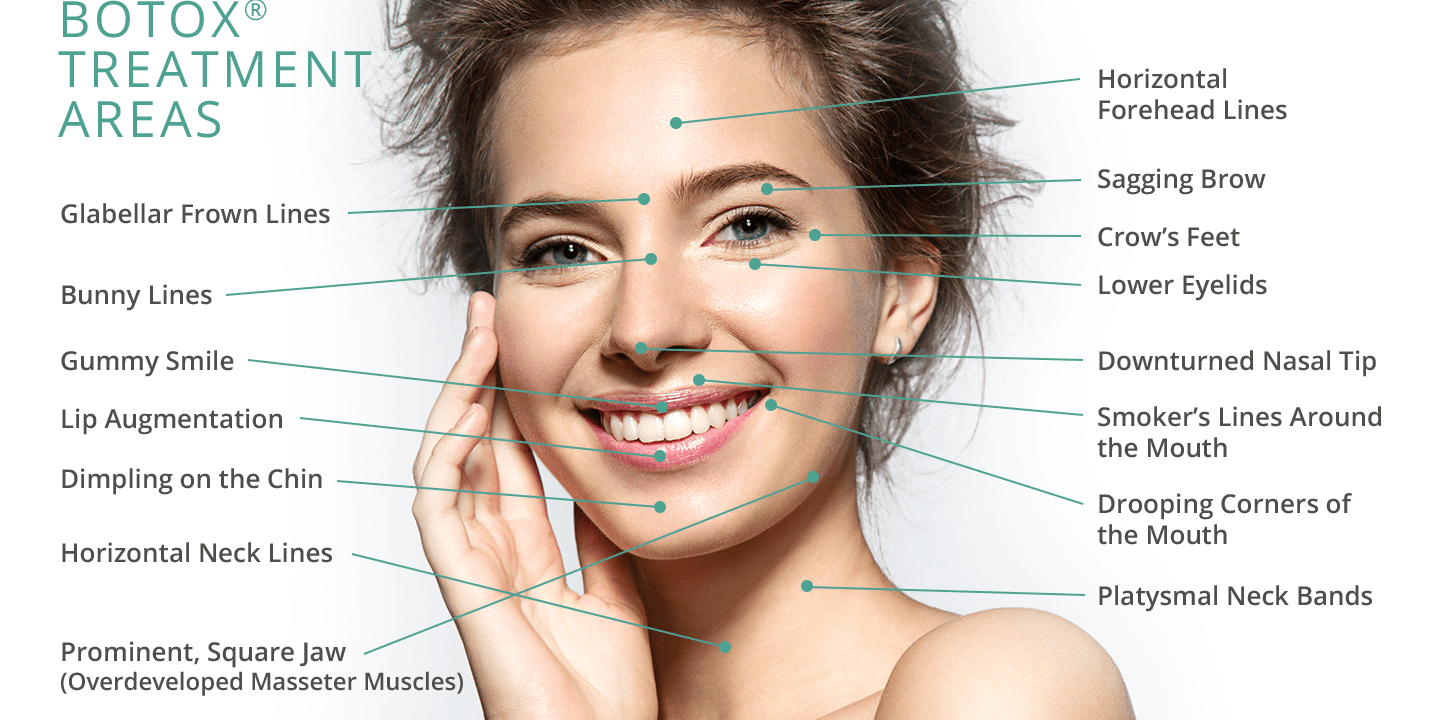
For many patients, the biggest issue is not the joint itself, but the constant tension in the surrounding muscles, especially the masseter muscles. When those muscles are overactive, they can create pain, tightness, headaches, and even a wider or more square jaw appearance.
How Botox for TMJ works
Botox for TMJ works by relaxing the overactive jaw muscles that contribute to clenching, grinding, and tension.
When Botox is injected into the masseter muscles and, in some cases, other muscles involved in jaw tension, it helps reduce the force of muscle contraction. This can relieve pressure in the area and reduce symptoms like jaw soreness, facial pain, and tension headaches.
Many patients choose TMJ Botox treatment because it is:
- non-surgical
- quick and minimally invasive
- done in-office
- associated with little to no downtime
- effective for reducing jaw tension and clenching
The goal is not to stop normal jaw movement. The goal is to reduce the excessive muscle activity that is causing pain and discomfort.
Benefits of Botox for TMJ
Patients often seek Botox for TMJ pain and Botox for jaw clenching because it can offer both functional relief and subtle cosmetic benefits.
Potential benefits may include:
- reduced jaw pain
- less teeth grinding and clenching
- relief from facial tension
- fewer tension headaches
- less pressure through the jaw joint
- softer, less bulky masseter muscles
- a slimmer lower-face appearance in some patients
- improved comfort when chewing or speaking
For patients with enlarged masseter muscles from years of clenching, treatment may also create a more refined jawline over time. And in some cases, once the lower face looks less heavy, patients notice a subtle improvement in overall facial balance. Some even feel it gives the face a slightly lighter, more lifted look through the cheeks or mid-face simply because there is less downward pull and bulk at the jaw.
That said, this is best thought of as a small aesthetic perk, not the primary purpose of treatment. The main goal of TMJ Botox is relief from tension, pain, and overactive muscle movement.
The unexpected aesthetic perks of TMJ Botox
One of the reasons patients love this treatment is that it can do more than just help with discomfort.
When the masseter muscles are enlarged, they can make the lower face appear wider, heavier, or more square. As those muscles relax over time, the face may appear:
- slimmer through the jawline
- softer at the lower face
- more tapered in shape
- more balanced overall
Some patients also notice that when the lower face is less bulky, the cheeks become a little more noticeable and the face can appear slightly more lifted or contoured. It is a very subtle change, but it can be a nice added benefit for the right patient.
Who is a good candidate for TMJ Botox?
You may be a good candidate for Botox for TMJ if you:
- clench or grind your teeth
- feel chronic jaw tension
- get frequent tension headaches
- wake up with jaw soreness
- notice facial pain around the jawline
- have bulky masseter muscles
- want a non-surgical option for symptom relief
The best way to know if this treatment is right for you is through a personalized consultation. At MyBotoxLA, we evaluate your symptoms, muscle activity, and treatment goals to determine whether Botox may help.
What to expect during treatment
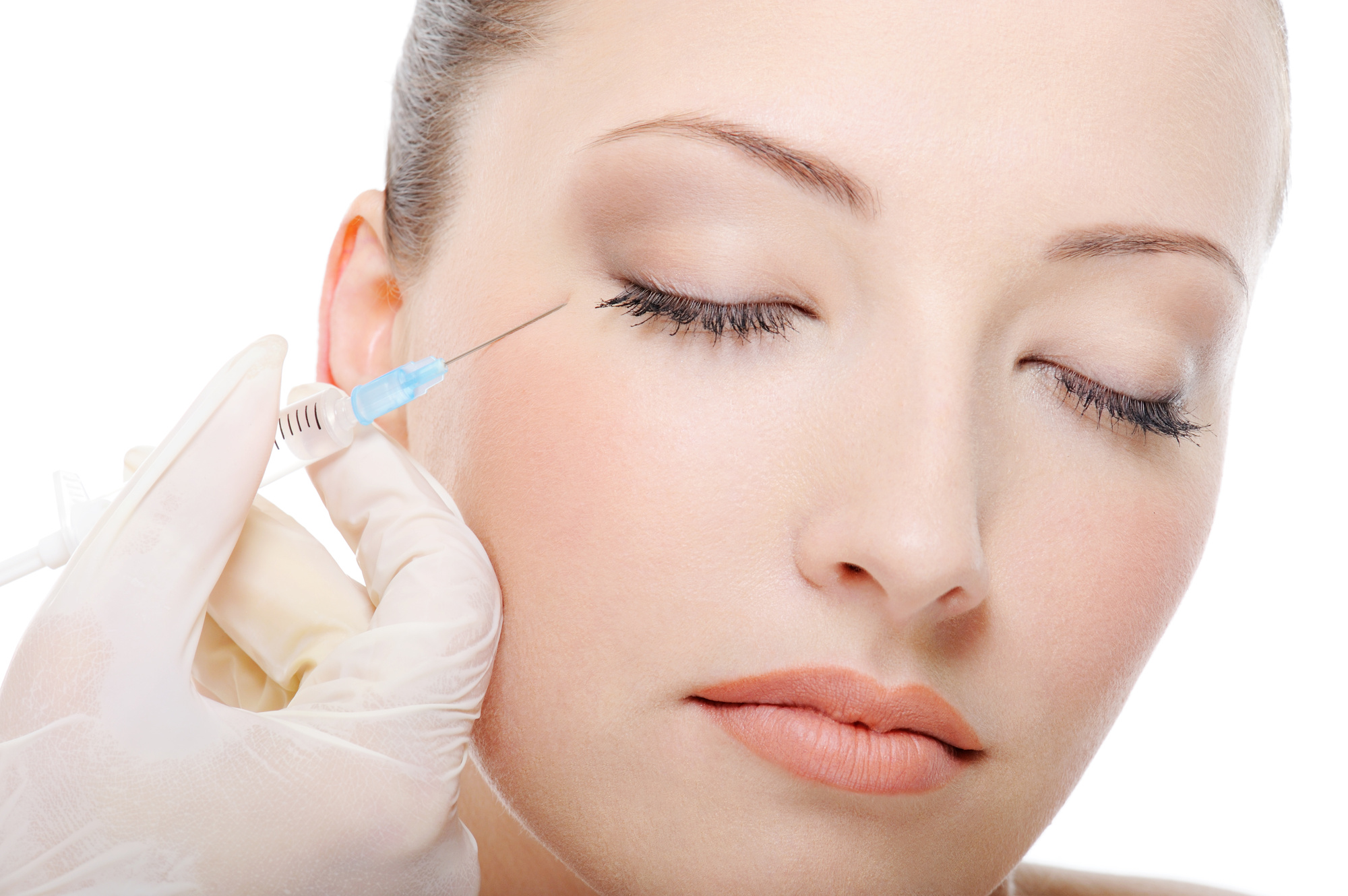
TMJ Botox is a quick in-office treatment. After assessing the jaw muscles and identifying the injection points, Botox is placed into the targeted muscles with a series of small injections.
Most patients tolerate the procedure very well. There is minimal downtime, and patients are typically able to return to normal activities shortly after treatment.
Results are not always immediate. Many patients begin noticing improvement over the following days to weeks as the muscles gradually relax.
How long does Botox for TMJ last?
Results vary from patient to patient, but Botox for TMJ typically lasts several months. Because jaw muscles are strong and frequently used, maintenance treatments are often needed to keep symptoms under control.
Some patients also find that once clenching patterns are reduced, they become more aware of habits and triggers that were contributing to their symptoms in the first place.
Why patients choose a med spa approach
Patients often want relief from TMJ symptoms, but they also appreciate a treatment plan that considers comfort, facial balance, and aesthetics together.
At MyBotoxLA, we take a personalized approach to TMJ treatment. For some patients, the main goal is pain relief. For others, it is relief plus softening of a heavy lower face. Because Botox can address both muscle tension and jawline bulk caused by overactive masseters, it can be an appealing option for the right patient.
Final thoughts on TMJ treatment
If you are struggling with jaw clenching, teeth grinding, masseter pain, or chronic facial tension, you do not have to ignore it.
Botox for TMJ is a popular, non-surgical treatment that may help reduce jaw tension, headaches, and muscle overactivity while also softening a heavy lower-face appearance in some patients. And as an added bonus, some patients notice subtle cosmetic perks like a slimmer jawline, improved facial balance, and even a slight cheek-enhancing effect.
If you have been looking for TMJ treatment in Los Angeles or want to learn whether masseter Botox is right for you, a personalized consultation is the best place to start.